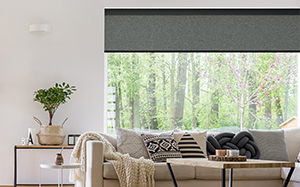

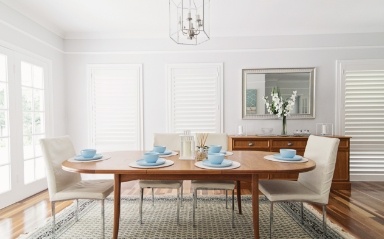

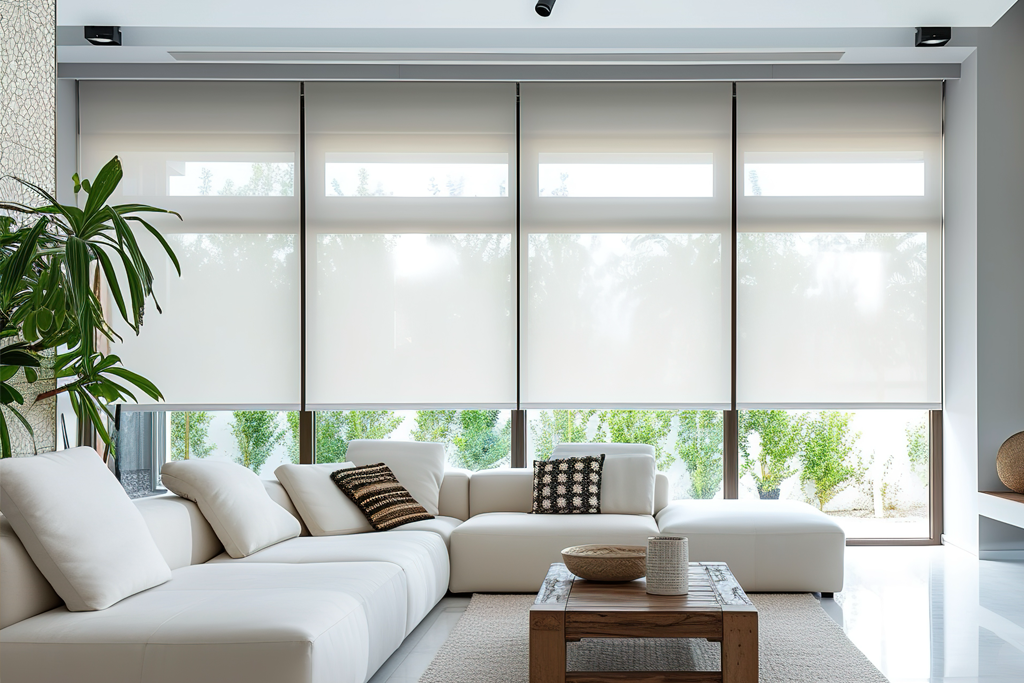
Blinds for large windows are window coverings built to span wide or tall glazing while controlling glare, privacy, and indoor comfort. The right choice matters in Australia because windows can be a major source of unwanted heat gain in summer and heat loss in winter.
Large windows also create practical issues. Wide spans can sag, light gaps can reduce privacy at night, and controls can feel heavy if the blind is tall or used every day. Exposure to strong sun, coastal air, and wind can also change what works best.
In this guide, you will find six blind options that suit large windows, plus sizing and feature checks that help you choose a setup that operates smoothly and holds up over time.
How to Choose the Right Window Covering for Oversized Glass
- Measure width and drop, then confirm inside mount or outside mount.
- Decide the main goal first. Glare control, privacy, or blockout.
- For wide spans, choose a system designed to stay straight and roll evenly.
- Match fabric to the job. Sunscreen for glare, light filtering for soft daylight, blockout for bedrooms.
- Choose a control type that suits daily use. Motorisation often suits tall or heavy blinds.
- Plan for light gaps early. Use overlaps, returns, side channels, or outdoor guided systems where suitable.
- Check exposure. Strong sun, coastal air, and wind can rule out some options.
6 Best Blinds for Large Windows (Quick picks)
Large window blinds are coverings built for oversized glazing using wider fabrics and stronger hardware to manage glare, privacy, and comfort without sagging. Use this shortlist to match your window size, exposure, and how you use the room.
- Colourvue Roller Blinds: Best for clean indoor coverage on wide windows with simple, strong light control.
- Shadesol Zipscreen Outdoor Blinds: Best for alfresco and big windows needing a neater edge and fewer gaps.
- Shadesol Wire Guide Outdoor Blinds: Best for breezy openings where you want shade without bulky side tracks.
- Linked Roller Blinds: Best for extra wide spans using two blinds that move together with minimal gaps.
- Panel Glide Blinds: Best for very wide glazing and sliding doors with smooth stacking fabric panels.
- Track Guided Outdoor Blinds: Best for exposed openings needing stable tracks and easy stopping at any height.
Comparison of Top 6 Blinds for Large Windows
| Option | Best for | Privacy and light | Key trade off | Best place |
| Colourvue Roller Blinds | Wide indoor windows | Sunscreen to blockout | May need linking on very wide spans | Living, beds |
| Shadesol Zipscreen Outdoor Blinds | Large openings, fewer gaps | Strong glare and daytime privacy | Higher spec install | Alfresco, patios |
| Shadesol Wire Guide Outdoor Blinds | Shade with lighter guiding | Good glare control | More side gap than tracks | Verandahs |
| Linked Roller Blinds | Extra wide window banks | Same as rollers | Visible join line | Long window runs |
| Panel Glide Blinds | Very wide glass, sliders | Soft control, privacy varies | Needs stack space | Sliding doors |
| Track Guided Outdoor Blinds | Wind exposed openings | Strong control | Higher cost, more cleaning | Exposed outdoors |
1. Colourvue Roller Blinds
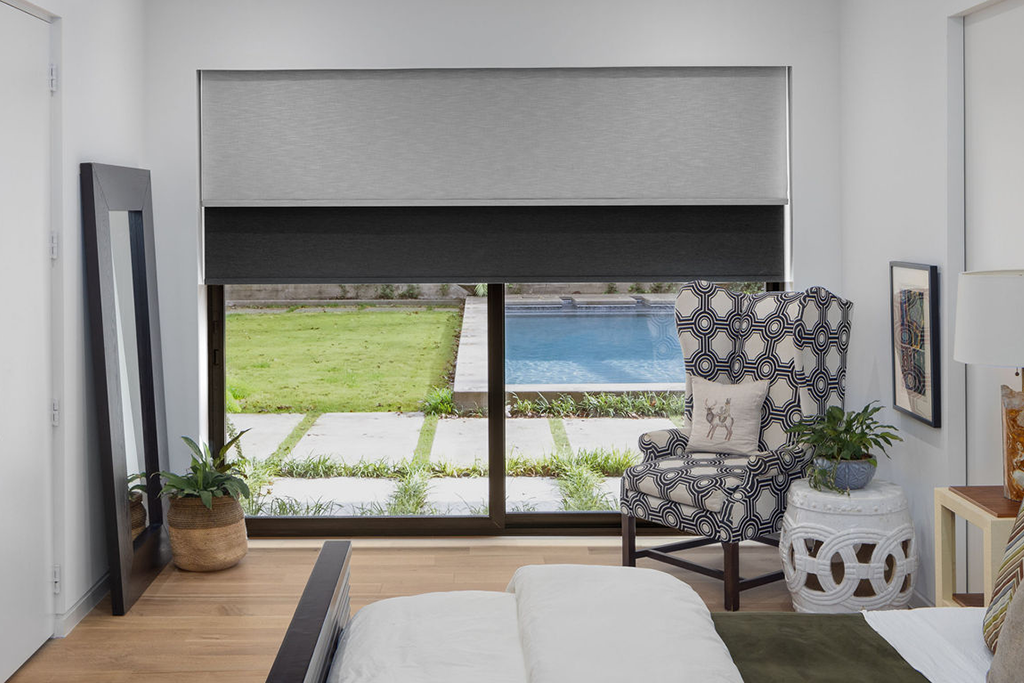
Custom roller blinds are a clean solution for oversized glass because they sit close to the window and keep the overall look minimal. They suit modern interiors, but they also work in classic homes when you choose a fabric and finish that matches the room.
They are especially useful when you want one consistent style across the house, while still tailoring performance room by room, such as softer daylight in living areas and darker control in bedrooms.
Best for
- Wide indoor windows where you want a neat, streamlined finish
- Homes that want one consistent look across multiple rooms
- Windows you use daily and want to operate quickly and easily
Why it works on large windows
- Purpose built hardware helps the blind roll evenly across wider spans
- Fabric choices let you manage glare and privacy without heavy frames
- Simple design keeps the stack small and the window area feeling open
2. Shadesol Zipscreen Outdoor Blinds
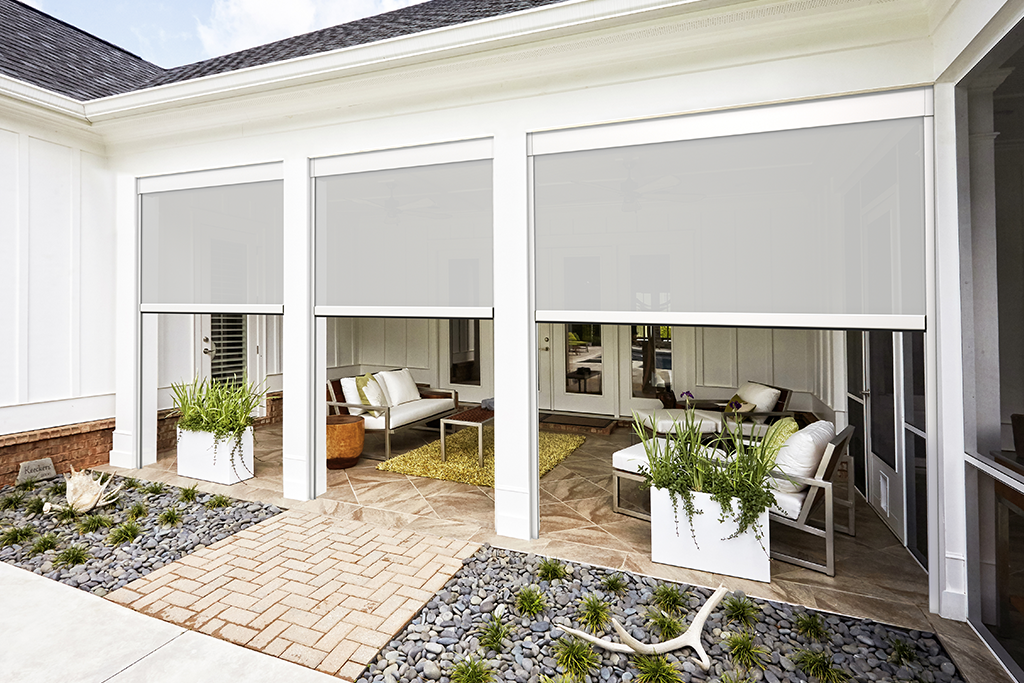
Shadesol zipscreen outdoor blinds suit large openings where you want the screen to feel controlled and finished, rather than loose or flappy. They are a strong option for alfresco zones and exterior facing windows where sunlight and privacy need better management.
They also work well when you want a more room like outdoor space, while still keeping airflow and flexibility, especially for entertaining areas that are used most afternoons.
Best for
- Alfresco areas where you want a more contained screen look
- Large exterior windows that cop harsh sun and late day glare
- Homes prioritising a cleaner edge and better side control
Why it works on large windows
- Side retention helps the screen stay guided across wider widths
- Better tracking improves stability when the blind is partly lowered
- A more tensioned finish helps the fabric sit flatter on big openings
3. Shadesol Wire Guide Outdoor Blinds
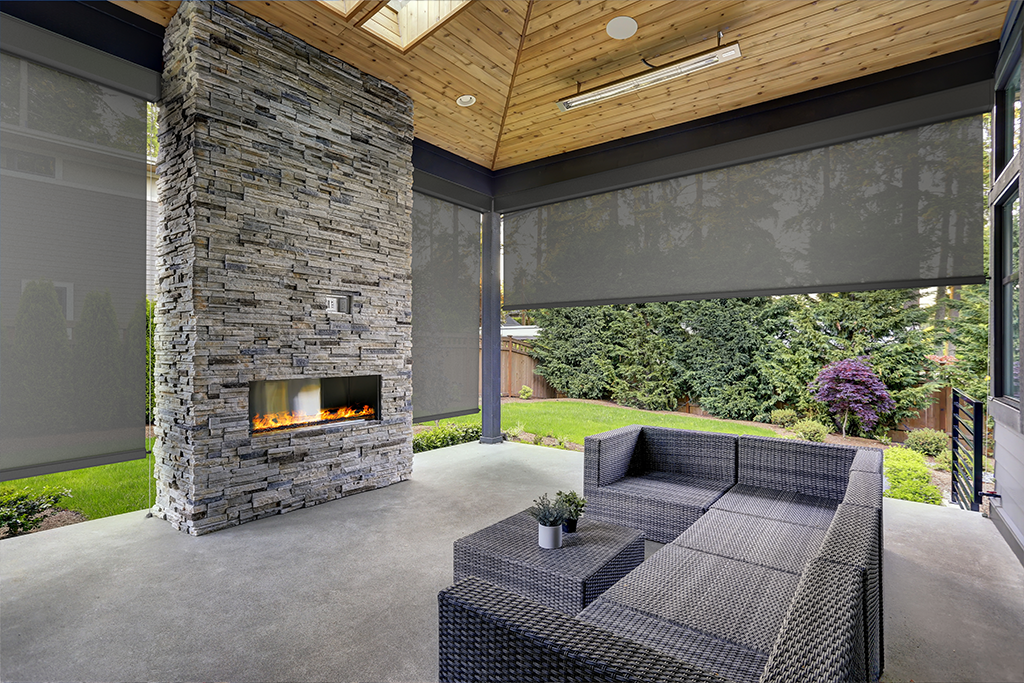
Shadesol Wire guided outdoor blinds are a lighter choice for large outdoor spans when you mainly want shade, glare reduction, and an open feel. They are ideal when you prefer less framing on the sides and you want the blind to look more subtle against the view.
They also suit spaces where you will adjust the blind often through the day, because the system feels straightforward and keeps the area looking airy rather than enclosed.
Best for
- Patios and verandahs where you want shade without heavy side tracks
- Openings where you plan to stop the blind at different heights
- Homes that want a lighter look with good day to day usability
Why it works on large windows
- Wire guidance keeps the drop controlled while keeping sides unobtrusive
- Supports smoother lowering and raising on tall, wide openings
- Maintains a clean outdoor feel while improving steadiness
4. Linked Roller Blinds
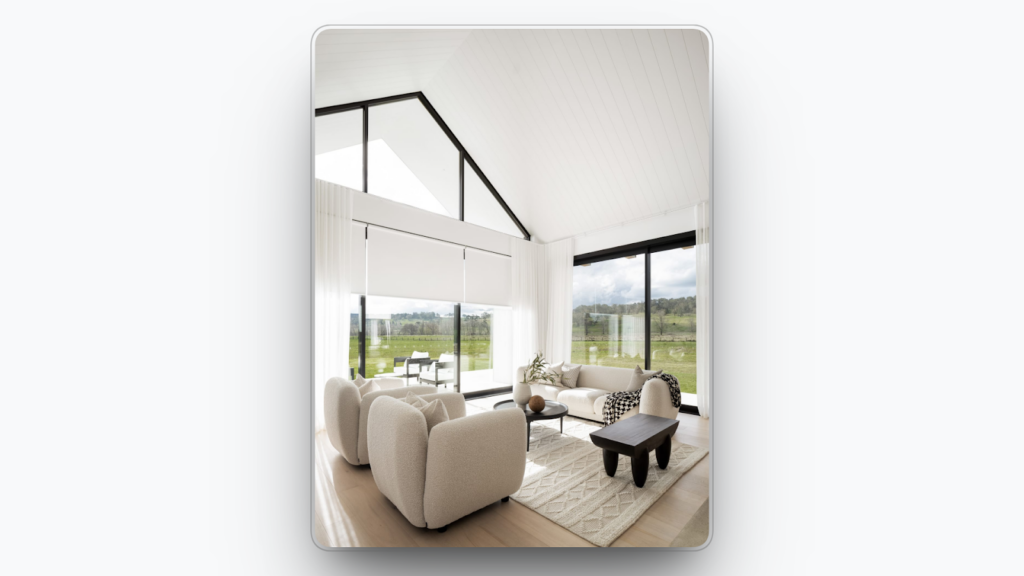
Linked roller blinds are the practical fix when a single blind becomes too wide to handle well. Instead of forcing one oversized unit, the window is covered with two coordinated blinds that operate together for a unified look.
This option is ideal for long window runs because it keeps the appearance consistent, while making the overall system more manageable for wide glazing.
Best for
- Extra wide window banks where one blind would be oversized
- Long glazing runs in open plan living areas and offices
- Homeowners who want one look across multiple panes without clutter
Why it works on large windows
- Splitting the width improves handling and reduces strain on components
- Two blinds maintain better control across wide spans
- Linked operation keeps daily use simple on large window banks
5. Panel Glide Blinds
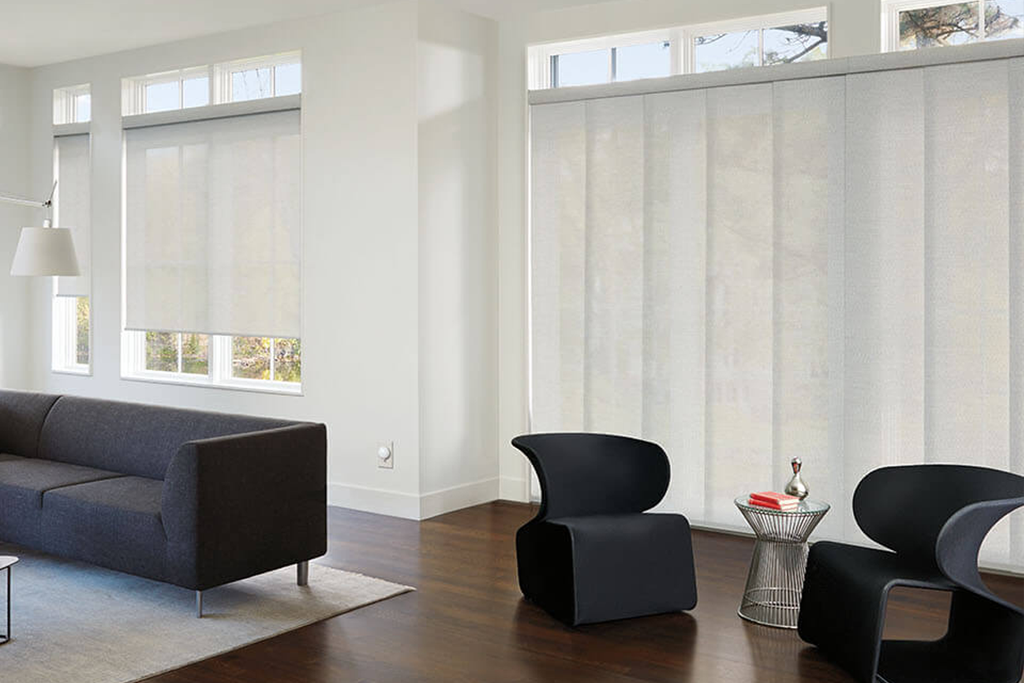
Panel glide blinds suit large glass areas that behave like a wall, especially where you want the covering to slide rather than roll. They have a softer furnishing feel, making them a good match for open plan homes where you want the window covering to look intentional, not purely functional.
They are also helpful when you want to clear a big section of glass quickly, because the panels can stack to the side when not in use.
Best for
- Very wide windows and sliding doors where a track makes sense
- Open plan rooms that suit a fabric panel look
- Spaces where you have room for the panels to stack to one side
Why it works on large windows
- Multiple panels share the span for controlled coverage on big glazing
- Track movement stays smooth across long runs
- Side stacking helps you open up a large view fast
6. Track Guided Outdoor Blinds
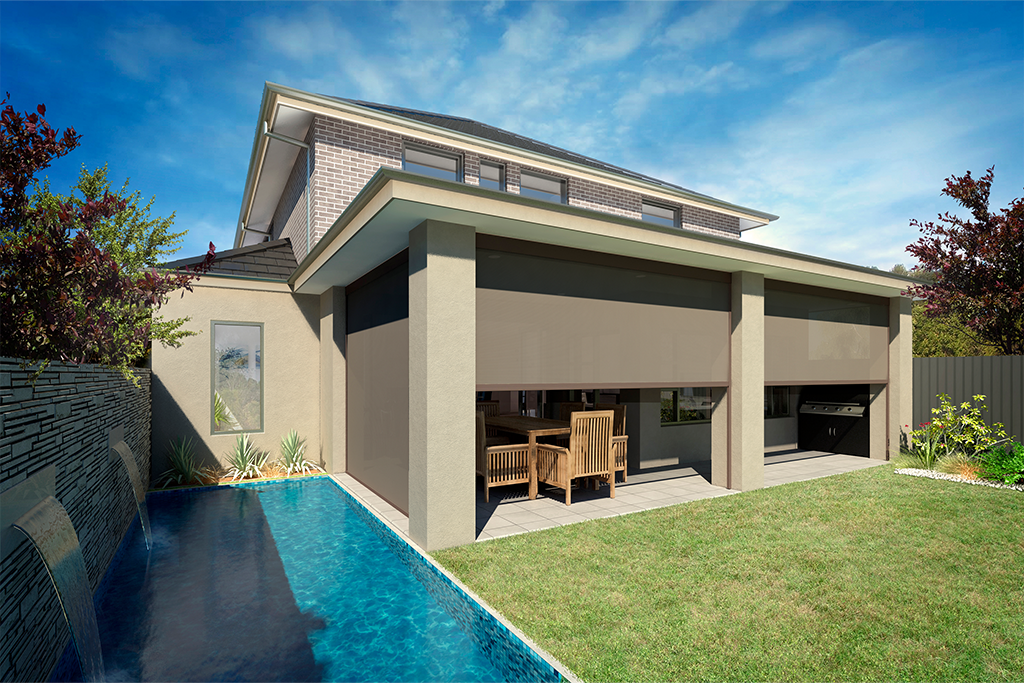
Track guided outdoor blinds are suited to large openings where you want the blind to travel in a controlled path from top to bottom. They are often chosen for outdoor areas treated like an extra living space, where the blind needs to feel stable and predictable to use.
They are a strong fit for exposed areas because the guided sides support a more structured finish, making the blind feel more secure on taller drops and wider openings.
Best for
- Outdoor openings that are exposed and used frequently
- Entertaining zones where stability and control matter most
- Large spans where you want guided movement rather than a loose drop
Why it works on large windows
- Side guides keep the blind tracking consistently across the full drop
- Controlled travel helps the blind sit neatly at different stopping points
- Structured guidance supports smoother operation on large openings
Quick Recommendations by Room and Window Size
- Bedroom, large window: Custom roller blinds in blockout for darker sleep and night privacy.
- Living room, wide window bank: Linked roller blinds to cover long spans with easier operation.
- Kitchen, bright window: Custom roller blinds in sunscreen to cut glare while keeping light.
- Home office, wide glazing: Linked roller blinds to manage screen glare across a long window run.
- Sliding doors, extra wide opening: Panel glide blinds for smooth coverage that stacks to the side.
- Alfresco, large opening: Zipscreen outdoor blinds for a cleaner edge and more controlled screening.
- Verandah, open and breezy: Wire guided outdoor blinds for shade with a lighter, less framed look.
- Exposed outdoor area, tall drop: Track guided outdoor blinds for steadier movement on big openings.
FAQs
What blinds work best for very wide windows?
Linked roller blinds and panel glide blinds are usually the most practical for extra wide spans. They spread the width across multiple panels, which helps the blind operate smoothly and look more balanced.
Are roller blinds good for large windows?
Yes, especially when they are made to size with strong hardware and the right fabric. For very wide window banks, a linked setup often performs better than forcing one oversized blind.
How do I reduce light gaps on large windows?
Choose an outside mount for more coverage, or add features like returns and side channels where suitable. For big openings, guided outdoor systems also help keep the screen sitting closer to the sides.
Should I choose sunscreen or blockout fabric?
Sunscreen is best when you want to cut glare while keeping daytime light and view. Blockout is better for bedrooms and night privacy, and you can also layer fabrics if you want both.
Is motorisation worth it for large window blinds?
Often, yes. Large blinds can feel heavy with daily use, and motorisation makes operation smoother and more consistent, especially for tall windows or hard-to-reach glazing.
What is the biggest mistake with large window blinds?
Choosing a style that is not designed for wide spans, or measuring without allowing for coverage. This often leads to sagging, awkward operation, or privacy issues at night.