


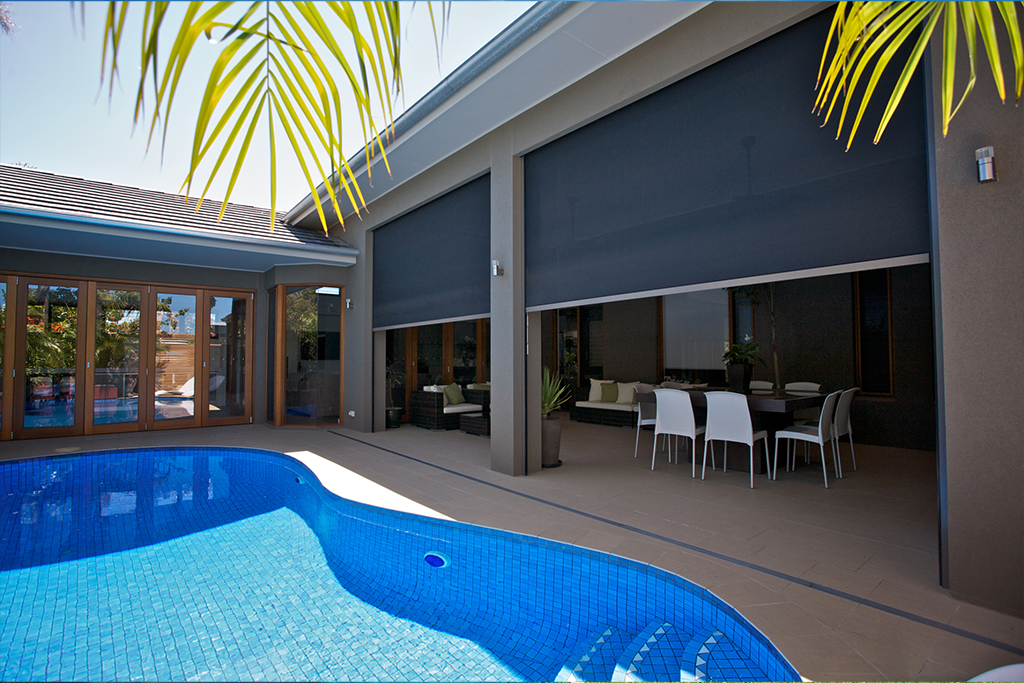
Outdoor blinds can be waterproof, especially clear PVC, but most setups are not fully waterproof like a solid wall. In wind-driven rain, small gaps around the edges can still let water in. This matters in Australia because observed short-duration extreme rainfall intensity has increased by around 10 per cent or more in some regions in recent decades, which raises the chance of rain being driven into outdoor areas.
Most buyers worry about the same things. They want to know if the blind will keep an alfresco usable in heavy rain, or if water will still creep in around the edges. They also worry about condensation on clear PVC, mould risk in humid areas, scratching during cleaning, and whether warranty wording matches real weather protection.
In this guide, you will learn the difference between waterproof and water-resistant, which materials block rain best, and the 9 checks that help you choose outdoor blinds that suit Australian conditions without unrealistic expectations.
Waterproof or Water Resistant? What Outdoor Blinds Really Do
Waterproof means water cannot pass through the blind material under normal rainfall conditions. Clear PVC is commonly described as waterproof because it forms a solid barrier rather than an open weave.
Water-resistant means the material sheds some water, but it can still let moisture through in heavier rain, prolonged rain, or when rain is pushed by wind. Mesh and outdoor screen fabrics are usually described this way because they are designed for airflow and sun control, not full rain blocking.
Marketing labels vary, so focus on the material you choose and the system design, including side retention, gaps, and how the blind is installed around the opening.
9 Things to Check Before You Buy Outdoor Blinds
Outdoor blinds can improve comfort and help reduce rain entering an alfresco area, but performance depends on the material you choose and the system design around the opening. Many suppliers also note that outdoor blinds are designed to improve usability in most weather, not to create a fully sealed indoor room.
These 9 checks help you compare options quickly, set realistic expectations, and choose a setup that suits Australian conditions.
- The material can be waterproof, but the blind can still leak
- Clear PVC is usually best when rain protection matters most
- Mesh outdoor blinds are for airflow and glare control, not heavy rain
- Side channels and track-guided designs matter more than most people think
- Wind-driven rain can push water through small gaps
- Your roofline and guttering affect waterproofing results
- Seams, hems, and edges are the weak points
- Maintenance affects performance and lifespan
- Read the warranty language before you assume waterproofing
1) The material can be waterproof, but the blind can still leak
A blind can use waterproof material and still allow water into the space. That usually happens because outdoor blinds need small clearances to roll smoothly and avoid rubbing against posts, walls, or the floor line.
In real homes, water often enters through openings rather than through the main panel. Side gaps, bottom gaps, and the top fixing area are common entry points, especially when rain is driven by wind.
Why it matters
If you expect the blind to seal like a permanent wall, you can be disappointed after the first windy storm. Knowing the entry points helps you choose better retention and plan the fit more accurately.
2) Clear PVC is usually best when rain protection matters most
Clear PVC is commonly positioned as the rain-focused option because it forms a solid barrier rather than an open weave. Some suppliers describe PVC outdoor blinds as offering strong protection from driving wind and rain in covered outdoor areas.
Clear PVC can still allow some water in at the edges in wind-driven rain, especially if the blind is loosely retained or the opening is uneven. Material choice is important, but the final result depends heavily on the overall system and installation.
Why it matters
If rain protection is your main goal, clear PVC is often the most direct starting point. Pairing it with stronger side retention usually matters more than upgrading the PVC alone.
- Check PVC thickness and quality
- Confirm the view and privacy level you want
- Plan a gentle cleaning routine to protect clarity
3) Mesh outdoor blinds are for airflow and glare control, not heavy rain
Mesh and screen fabrics are popular because they reduce glare and heat while still letting air move through the space. Suppliers commonly describe mesh styles as water-resistant rather than fully waterproof.
That trade-off is the point of mesh. It is built for comfort, privacy, and sun control, so it will not block heavy rain the way a solid PVC barrier can.
Why it matters
Buying mesh when you actually need rain blocking is a common mismatch. If your patio is exposed to weather, mesh may perform well for shade but fall short on wet days.
- Best for airflow and daytime comfort
- Limited for heavy rain protection
- Stronger rain performance usually needs a solid barrier material
4) Side channels and track-guided designs matter more than most people think
Some outdoor blinds hang freely and rely on basic guides or bottom locks. In wind, the blind can move, which can increase side gaps and reduce weather protection.
Track guided systems hold the blind edges inside channels to reduce movement and improve stability. Track guided systems are also promoted for improved weather protection because the fabric stays secured within the tracks.
Why it matters
Better edge control usually means fewer drafts and less water pushed through gaps. If your area is exposed, track guidance can be the difference between occasional splash and frequent water ingress.
- Free hanging style: more movement in wind
- Track guided style: stronger stability and tighter edges
5) Wind-driven rain can push water through small gaps
Wind changes how rain behaves around an outdoor opening. Water can blow sideways and swirl under roof edges, which makes small gaps at the sides or bottom more noticeable.
This is why two patios with similar blinds can perform differently. Exposure, orientation, and local wind patterns often decide how much water reaches the edges.
Why it matters
A realistic expectation prevents disappointment and helps you choose the right retention. If your space is windy or coastal, side control and tension usually matter as much as material choice.
- Prioritise tighter side retention for exposed openings
- Expect some limits during storms
- Treat “weather protection” as a system outcome, not a fabric label
6) Your roofline and guttering affect waterproofing results
Outdoor blinds are not a roof. If water is already entering from above due to roof design, gutter overflow, or drip lines, blinds will not solve the full water path.
Water can also track along beams and posts and drip inside the enclosed space. In those cases, the blind may be doing its job, but the runoff is still landing where you sit.
Why it matters
You can invest in high-quality blinds and still get puddles if drainage is ignored. A quick roofline check often fixes more water issues than changing blind fabric.
- No guttering or overflow during heavy rain
- Water running off beams or roof edges
- Drip lines landing inside the enclosed area
7) Seams, hems, and edges are the weak points
The main panel is only part of the build. Edges, hems, and joins take the most movement and tension, so finishing quality can affect how well a blind holds shape and reduces gaps over time.
Construction methods vary between suppliers, even when products look similar on a quote. Asking about edge finishing and join methods helps you compare real build quality, not just price.
Why it matters
Weak finishing can create more movement, more gaps, and earlier wear. Strong finishing usually improves stability, which supports better weather protection.
- Ask about edge finishing details
- Ask how joins are handled on wide spans
- Ask how the installer closes the sides against posts and walls
8) Maintenance affects performance and lifespan
Outdoor blinds collect dust, grit, pollen, and salt residue, especially in coastal areas. Build-up can affect operation and can reduce clear PVC clarity if grit is wiped across the surface.
A simple cleaning routine helps reduce scratching risk and keeps the blind running smoothly. It also helps limit damp build-up where mould or mildew can develop.
Why it matters
Many appearance and wear problems are preventable with correct care. Choosing a product that matches your cleaning tolerance helps you protect the finish long term.
- Clean regularly with gentle methods
- Dry down after heavy rain when possible
- Avoid harsh chemicals on PVC and follow supplier care guidance
9) Read the warranty language before you assume waterproofing
Warranties often separate the material from hardware and installation. They may also highlight limitations linked to exposure, movement, and how the opening is built and sealed.
Warranty wording can also show the difference between waterproof material and a fully sealed installation. If the product expands and contracts or the opening is uneven, performance and warranty coverage can be affected.
Why it matters
Warranty terms often reflect real-world limits that marketing copy does not spell out. Reading them early helps you choose the right system design and avoid assumptions about full weather sealing.
- Confirm what is covered for material, hardware, and installation
- Note any exposure-related exclusions
- Match the product to the conditions of your opening
Buying Checklist for Outdoor Blinds
Before you request quotes, take a minute to check what you actually need the blinds to do. A quick checklist like this helps you compare options fairly and avoid paying for features that do not suit your patio.
- Which side of your patio gets the most rain and wind-driven rain
- Is your main goal rain blocking, or airflow and glare control
- Do you need clear PVC, mesh, or a mix based on exposure and privacy
- Do you need side channels or a track-guided system to reduce side gaps and movement
- How does water run off your roofline, beams, and gutters during heavy rain
- What does the warranty cover for material and hardware, and what exclusions apply
If you want help choosing the right outdoor blind setup for your home, All Shutters and Blinds can recommend an option based on your patio layout, wind exposure, and rain direction. A professional measure and quote helps you reduce gaps, choose the right retention system, and avoid paying for the wrong material for your conditions.
FAQs
Are outdoor blinds waterproof?
Some outdoor blind materials can be waterproof, especially clear PVC. Many installations are not fully sealed, so small gaps can still let water in during wind-driven rain.
Are clear PVC café blinds waterproof?
Clear PVC is commonly used when rain protection is the priority because it forms a solid barrier. Final performance still depends on side retention, bottom gaps, and how the blind is installed.
Are mesh outdoor blinds waterproof?
Mesh outdoor blinds are usually water-resistant, not waterproof. They are made for airflow, glare control, and daytime comfort, so heavy rain can pass through the weave.
Do outdoor blinds stop wind-driven rain?
Outdoor blinds can reduce wind and rain entering an alfresco area, but wind-driven rain can still push water through edges and small openings. Track guided systems and tighter retention usually improve results.
What is best for rain, PVC or mesh?
Clear PVC is usually the better choice for rain protection. Mesh is better when you want airflow and shade, and you accept that rain protection will be limited.
Do track-guided outdoor blinds block rain better?
Track guided systems help reduce side movement and side gaps, which can improve weather protection. They still need realistic expectations because no blind seals like a permanent wall.
How do I reduce water getting in around the edges?
Choose a system with stronger side retention and a well-fitted bottom rail, and check roofline drip points. A good measure and install makes a bigger difference than fabric alone.
Will outdoor blinds cause condensation or mould?
Condensation can occur on clear PVC when nights are cool and the area has limited airflow. Regular gentle cleaning and occasional ventilation help reduce moisture build up and mould risk.