

| Key takeaways: Sliding doors need clearance planning first, then you pick the product. External options often deliver the best heat control because they stop the sun before it warms the glass. Track layout matters as much as the material for shutters and panel glides. Night privacy and day privacy are not the same problem, so match fabric and louvre control to when you need privacy. |
Window treatments for sliding patio doors are coverings such as plantation shutters, roller blinds, zipscreens, and panel glide blinds that manage light, privacy, insulation, and glare while still letting the door open and close smoothly.
They matter more than standard windows because stack back space, handle clearance, and everyday traffic decide what will actually work. A great option on paper can fail in real life if it rubs on hardware, blocks the walkway, or jams when the door is used all day.
Most homeowners run into the same frustrations: treatments that drag on tracks, catch on handles, or block the walkway when stacked to the side. Then there are the practical issues like harsh afternoon sun, heat buildup near large glass panels, winter draughts, nighttime privacy, easy cleaning in busy areas, and safer choices for kids and pets.
In this guide, we compare 7 window treatment options for sliding patio doors, explaining where each one performs best based on light control, privacy, insulation, space, and day to day use, so you can make an informed choice.
Checklist for Sliding Patio Door Window Treatments
- Confirm the door opening direction so panels and stacks do not block access.
- Measure stack back space so shutters or panels park clear of the usable opening.
- Check handle and lock projection so nothing rubs, catches, or jams.
- Confirm the best mounting type: inside mount, outside mount, or track-based systems for wide spans.
- Decide what matters most: night privacy, daytime privacy, glare control, insulation, or airflow.
- Match materials to lifestyle: kids and pets, coastal air, dust, and high traffic use.
- Plan cleaning: choose wipe-clean finishes or easy vacuum fabrics for busy doorways.
7 Best Window Treatments for Sliding Patio Doors (Quick Picks)
Sliding patio doors need window treatments that control glare, privacy, and insulation without interfering with handle clearance, stack back space, or the door track. The best option depends on how wide the opening is, how often the door is used, and whether you need day privacy, night privacy, or both.
- Timber Plantation Shutters: Premium interior finish with strong privacy and light control for high use living zones.
- Aluminium Interior Plantation Shutters: Durable, modern look with wider panel capability for larger openings and busy doorways.
- PVC Shutters: Cost effective shutter look with easy maintenance for high traffic rooms and rentals.
- Aluminium Exterior Shutters: Outdoor grade privacy and airflow control for patios, alfresco zones, and exposed aspects.
- Roller Blinds: Clean, minimal coverage that suits sliding doors when measured for handle clearance and smooth operation.
- Zipscreens: External screening that reduces heat and glare before it hits the glass, ideal for sun facing doors.
- Panel Glide Blinds: Smooth sliding fabric panels that suit wide door openings and stack neatly to the side.
Comparison of 7 Best Window Treatments for Sliding Doors
| Option | Best for | Light + privacy control | Space + access on sliding doors | Maintenance |
| Timber Plantation Shutters | Premium look, strong night privacy | Excellent, adjustable louvers | Needs correct track or bi fold layout, great once configured | Low, occasional dusting |
| Aluminium Interior Plantation Shutters | Wide openings, heavy use | Excellent, stable panels | Strong for large spans, smooth with the right track setup | Very low, wipe down |
| PVC Shutters | Value, easy care, family homes | Excellent, tight close | Works well with sliding or bypass systems, good for high traffic | Very low, wipe clean |
| Aluminium Exterior Shutters | Alfresco, weather exposure | Very good, airflow plus privacy | Keeps outdoor zones usable, sits outside the door line | Very low, hose or wipe |
| Roller Blinds | Minimal look, fast operation | Good to excellent, fabric dependent | Great if measured for handle clearance, nothing to stack | Very low, light vacuum |
| Zipscreens | Heat, glare, daytime privacy | Very good daytime, moderate night | Blocks sun before glass, perfect for sun facing doors | Very low, rinse clean |
| Panel Glide Blinds | Modern style for wide spans | Good to very good | Needs stack back space, can reduce clear opening when parked | Low, occasional vacuum |
1. Timber Plantation Shutters
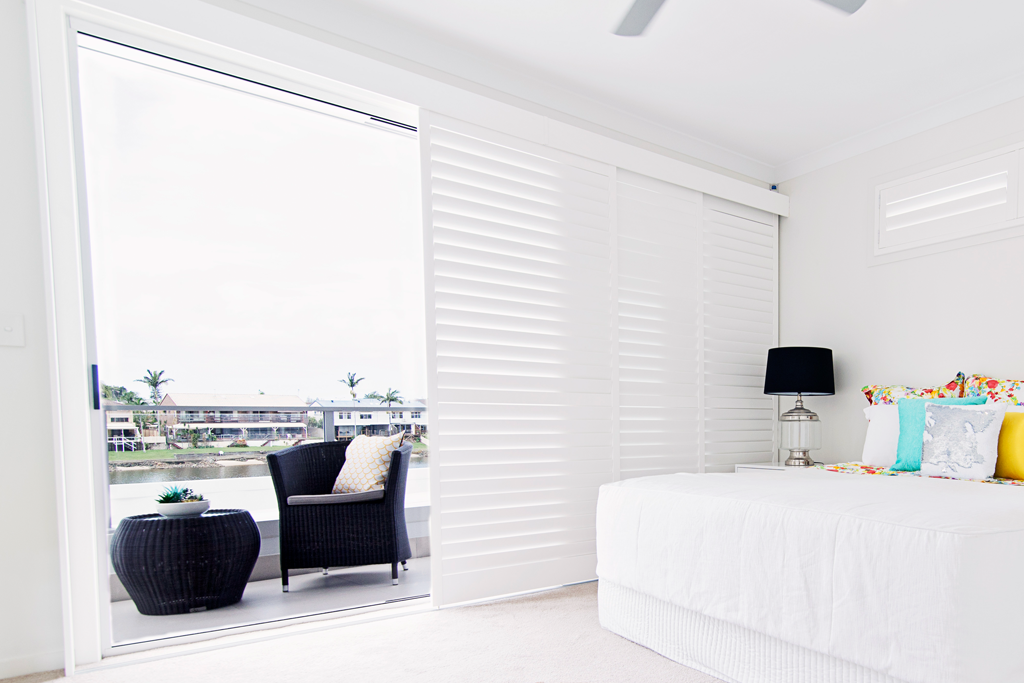
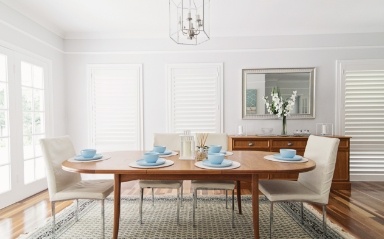
Timber plantation shutters are solid panel shutters with adjustable louvers, made to give you precise control over brightness and sightlines on large glass doors. On a sliding patio door, they are typically planned as multi panel shutter sets so you can open sections for access while keeping the rest of the span controlled.
The success of timber on a slider comes down to smart panel planning rather than the timber itself. When the panels are sized and positioned correctly, you get a clean, intentional look that still feels practical for daily indoor to outdoor movement.
Best for
- Design led interiors where a natural material finish matters
- Living zones where you want adjustable daylight without fabric softness
- Homes pairing door shutters with matching window shutters nearby
Key benefits
- Louvers give you fine control between glare reduction and outward view
- Strong night time privacy when fully closed
- Timeless appeal that suits both classic and contemporary rooms
Limitations to know
- Not the best match for consistently damp rooms with limited airflow
- Requires accurate planning so panel parking does not cut into access
- Usually sits in the premium category compared with blinds
2. Aluminium Interior Plantation Shutters
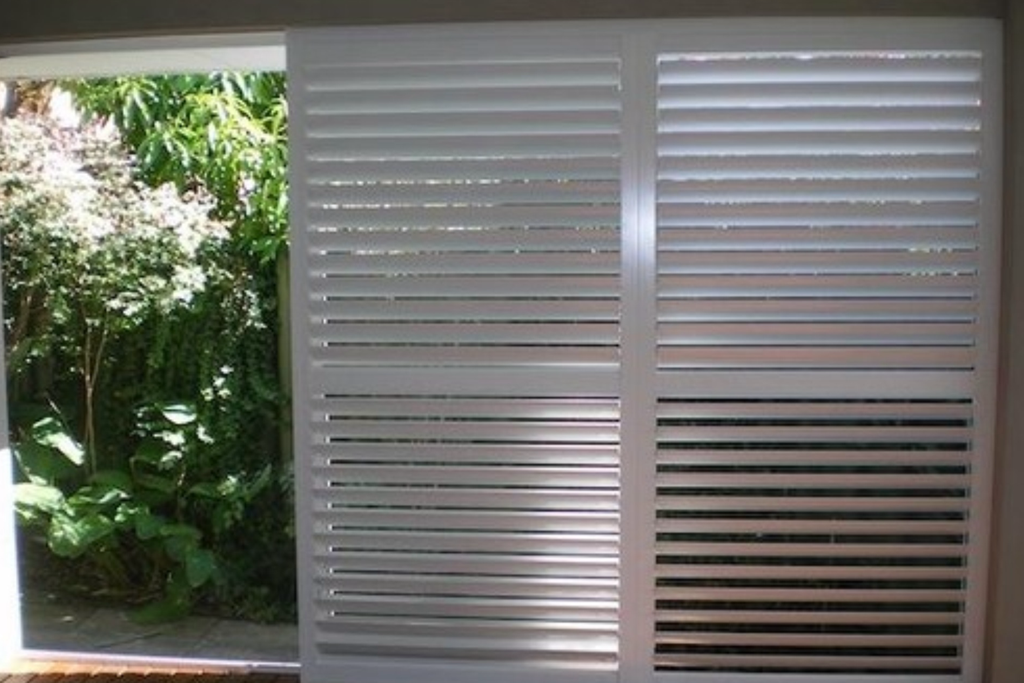
Aluminium interior shutters are louvered shutters made from a rigid metal frame and blades, built for strength and long term straightness. They suit sliding patio doors where the opening is wide and you want a structured solution that feels stable over time.
This option is about performance and longevity in high use areas. Aluminium panels keep their form well, which is helpful when a door is opened repeatedly through the day and the treatment gets handled frequently.
Best for
- Extra wide door openings where rigidity is a priority
- Contemporary interiors that suit a crisp, engineered finish
- Households that use the slider as a main access point
Key benefits
- Strong panel stability on larger door spans
- Low fuss upkeep with a tough surface finish
- Good control over airflow and light through louver adjustment
Limitations to know
- The look is more architectural than soft, layered décor
- Panel layout must be planned so access stays comfortable
- Costs more than entry level blind options
3. PVC Shutters
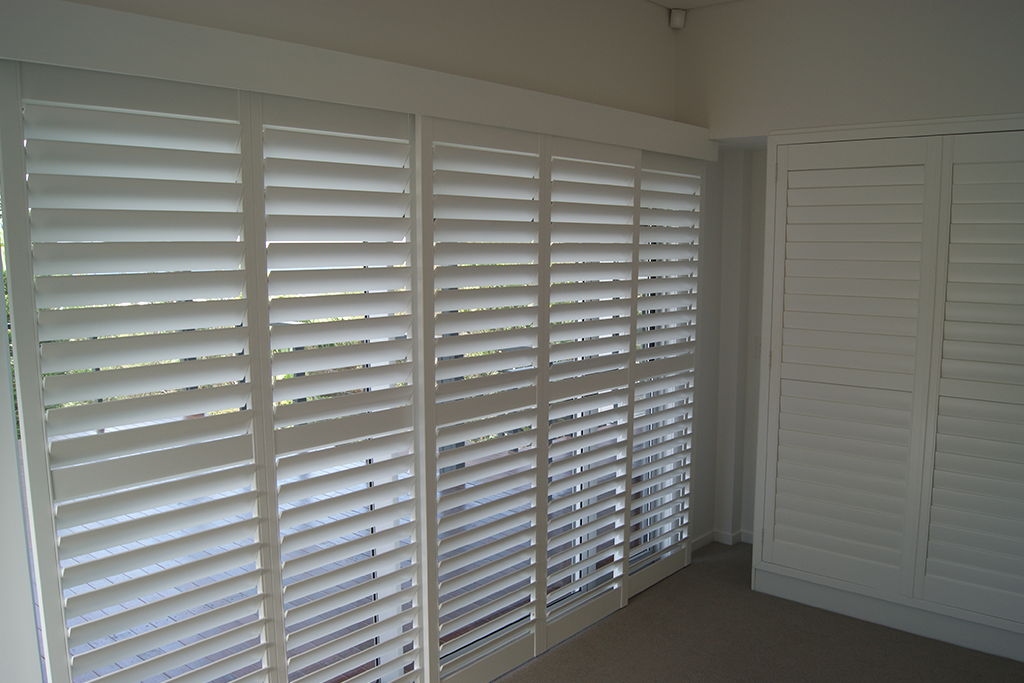
PVC plantation shutters offer the shutter look in a wipe clean material that suits everyday family living. They use louvered panels like timber, but the surface and core are designed for easier upkeep and better tolerance to moisture changes around frequently opened doors.
On sliding patio doors, PVC is often selected when durability and practicality are the main drivers. It is a strong option when the door connects to outdoor areas where fingerprints, dust, and quick cleanups are part of normal life.
Best for
- Homes that want shutters with minimal ongoing care
- Spaces connected to patios where cleaning needs to be quick
- Value focused upgrades that still look finished and custom
Key benefits
- Easy to wipe down, making it ideal for busy households
- Consistent appearance across large spans when made to size
- Excellent privacy control thanks to adjustable louvers
Limitations to know
- Can look less natural than real timber in close up detail
- Heavier builds need dependable hardware for smooth operation
- Poor sizing can create visible edge gaps, so measuring matters
4. Aluminium Exterior Shutters
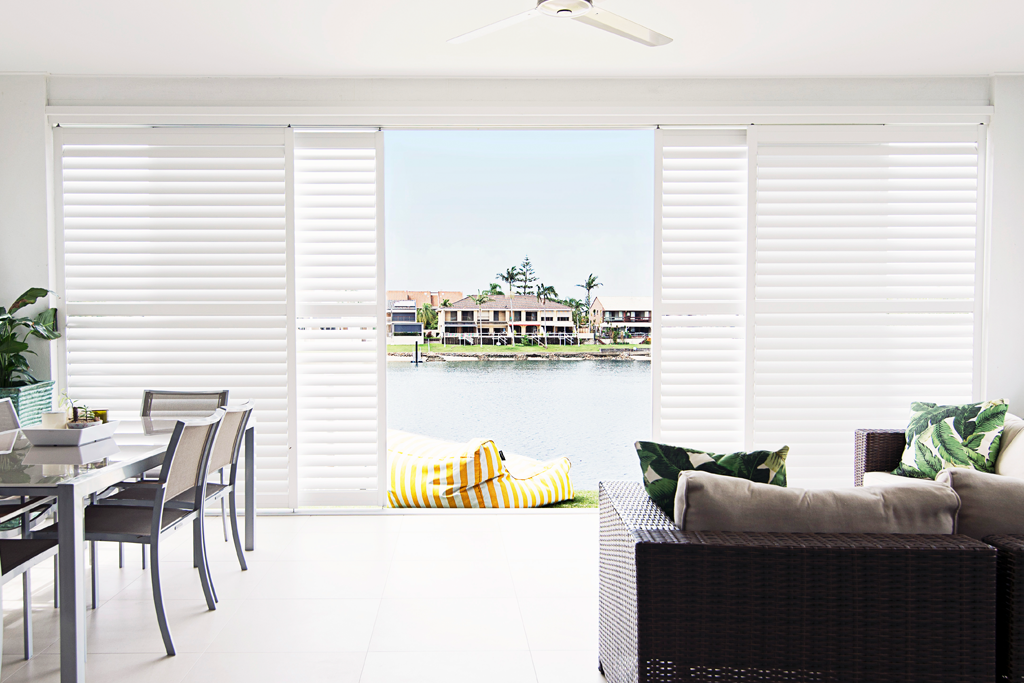
Aluminium exterior shutters are mounted outside to provide controllable shade and screening in front of the glass. For sliding patio doors, they are used to manage outdoor exposure first, which can improve comfort inside and make alfresco areas feel more usable.
Because they are designed for external conditions, they suit homes dealing with strong sun, weather, and open aspects. They are a long term solution when you want privacy and ventilation outdoors without relying on temporary screening.
Best for
- Patio and alfresco zones that need sun control and privacy
- Street facing outdoor areas where screening matters
- Properties wanting a durable exterior treatment in Australian conditions
Key benefits
- Reduces solar impact at the glass by shading externally
- Supports outdoor privacy while still allowing airflow
- Built for long term outdoor performance and daily use
Limitations to know
- Installation needs the right structure and fixing points
- Better suited to exterior zones than purely indoor styling goals
- Visual presence is more defined than softer outdoor blinds
5. Roller Blinds
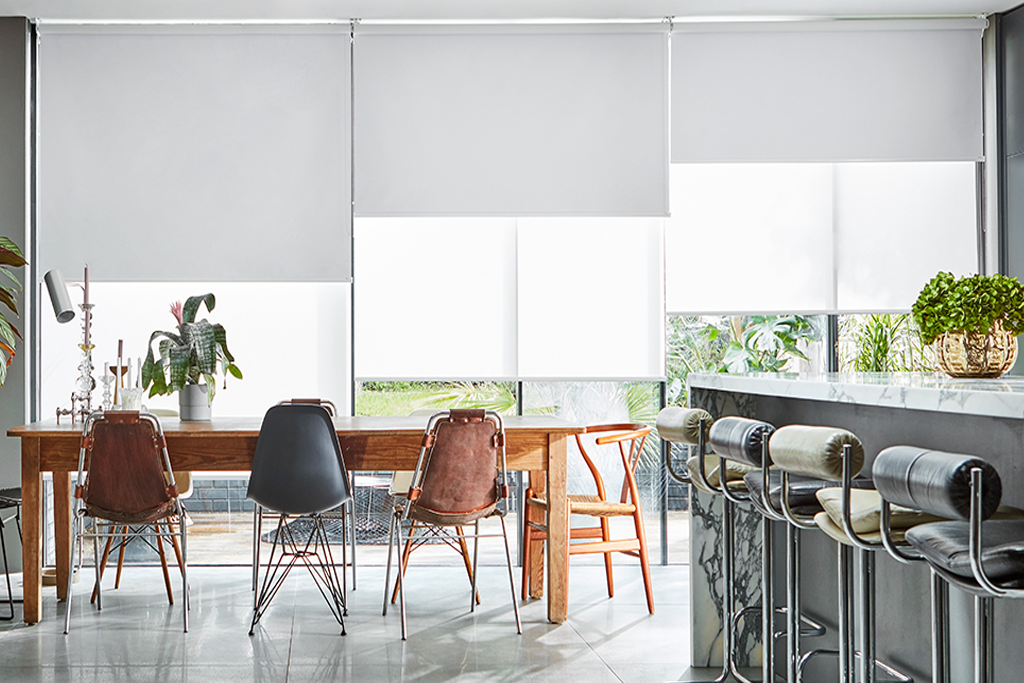
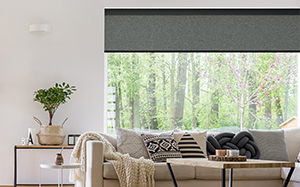
Roller blinds are a single sheet blind that raises and lowers cleanly, giving sliding doors a neat, minimal finish. They suit patio doors because there is no side stacking to manage, and the door area can stay visually simple when the blind is up.
Their success on a slider depends on choosing the right fabric type for the room and ensuring the blind clears door hardware. When the fit is correct, roller blinds feel effortless for day to day use.
Best for
- Modern rooms that suit a clean, uncluttered look
- Doors where you want the sides of the opening kept clear
- Spaces where you want a simple, fast daily operation
Key benefits
- Broad fabric choices for glare control and privacy levels
- Tidy appearance that works well in minimalist interiors
- Easy to pair with curtains or external screening if needed
Limitations to know
- Incorrect mounting can cause handle contact and rubbing
- Light leakage can occur at the sides if fit is not tight
- Less feature driven than shutters if you want adjustable louvers
6. Zipscreens
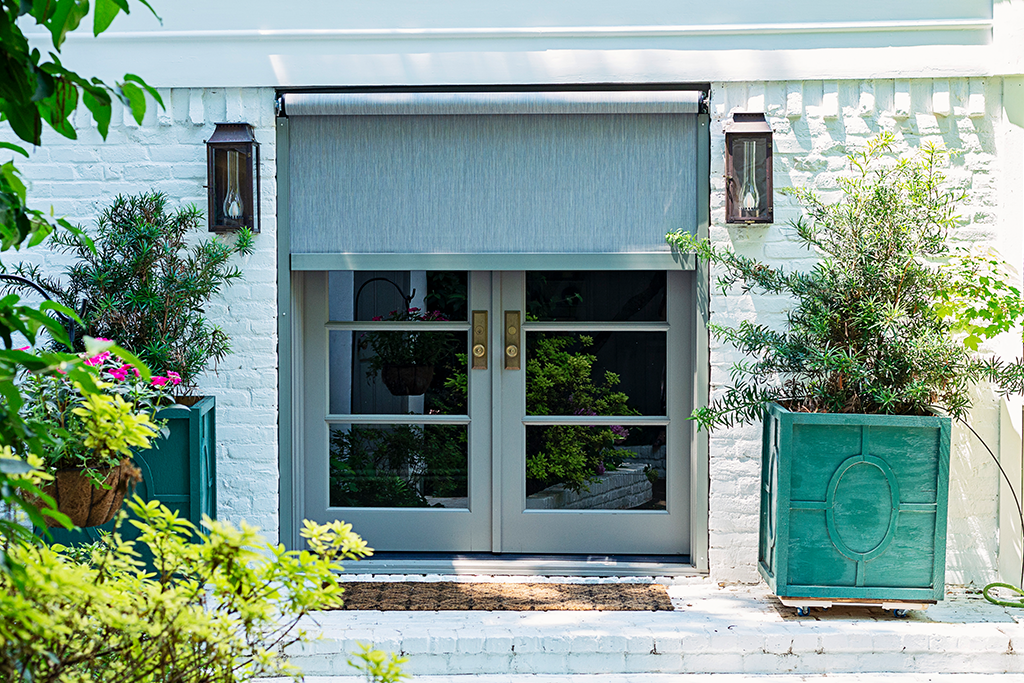
Zipscreen outdoor blinds are external screens held within side channels to create a taut, stable finish. They are used on patio door zones to manage harsh sun and glare before it hits the glass, which can improve comfort inside and reduce the intensity of afternoon light.
This option is chosen for outdoor connected spaces where you still want airflow and daytime visibility. It works particularly well when you want a cleaner, more contained look than loose outdoor shades.
Best for
- Sun exposed doors where glare is the main daily problem
- Alfresco edges where a neat guided screen is preferred
- Homes wanting daytime privacy without fully closing the space in
Key benefits
- Helps keep indoor areas calmer by filtering sun externally
- Keeps outdoor zones more comfortable during bright periods
- Taut screen finish looks tidy and performs well in breezy conditions
Limitations to know
- Night privacy depends on lighting and chosen screen openness
- Needs appropriate mounting surfaces and professional fitting
- Not designed to fully darken a room like blockout fabrics
7. Panel Glide Blinds
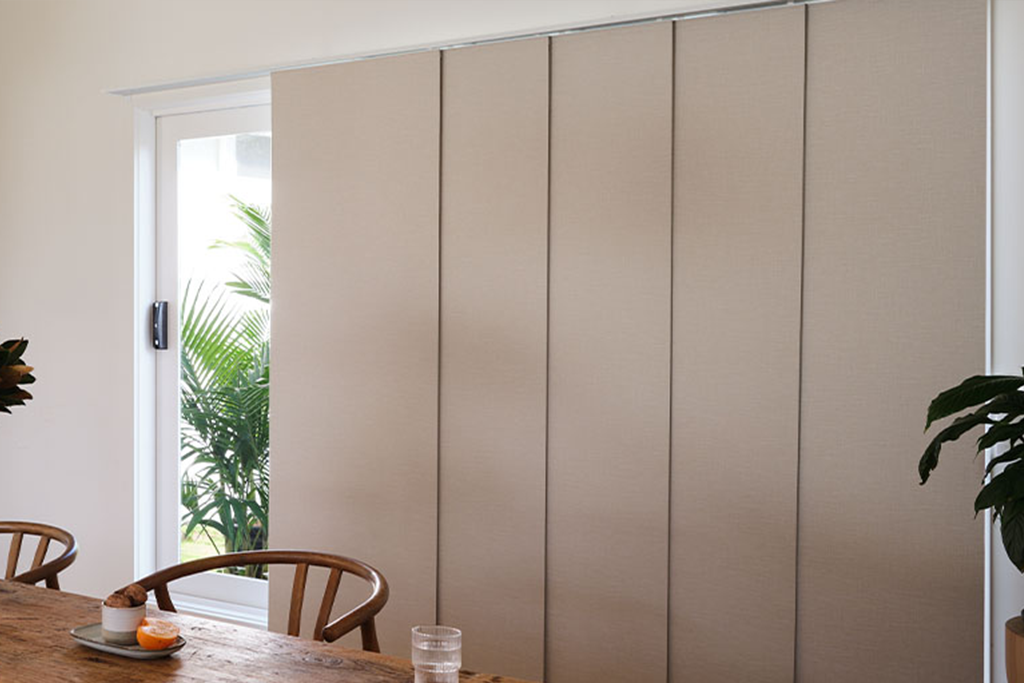
Panel glide blinds use wide fabric panels that move along a track, making them well suited to broad patio door spans. They create a clean wall like finish when closed, and the panels can be selected to match modern interiors and larger open plan rooms.
They work best when the door wall provides enough room for the panels to stack to the side. With the right layout, they give large coverage with a calmer, more contemporary feel than many traditional vertical options.
Best for
- Wide sliding doors in open plan living spaces
- Interiors that suit a modern, tailored fabric look
- Homes wanting a neat, track based solution for large openings
Key benefits
- Covers large spans with a smooth, uniform finish
- Fabric choice can balance glare control and softness in the room
- A strong option when you want a contemporary alternative to verticals
Limitations to know
- Needs enough side space for panels to stack without reducing access
- Fabric can mark in areas where panels are frequently touched
- Not as adjustable for fine light tuning as louvered shutters
How to Choose the Right Window Treatment for Your Sliding Patio Door
- Choose your primary goal
- Night privacy: shutters or blockout fabrics are usually the best fit.
- Daytime privacy with light: sunscreen fabrics or external screening often work best.
- Heat and glare: external shading can be the most effective starting point in Australian conditions.
- Airflow: louvred shutters support ventilation while still screening the space.
- Confirm hardware and clearance
- If handles sit proud, use projection brackets, outside mount, or track-based systems that sit clear of hardware.
- If the door is a main walkway, avoid options that reduce the clear opening when stacked.
- Match the room to the right category
- High traffic door: durable, wipe-clean finishes and simple daily operation.
- Occasional use door: you can prioritise a more design-led finish.
- Coastal or dusty areas: choose materials and tracks that are easy to wipe and keep clean.
FAQs
What window treatment works best on sliding doors?
The best choice is the one that clears the handle, parks out of the doorway, and matches your privacy needs. Roller blinds suit tight spaces, while panel glides and configured shutters suit wider openings with room to stack back.
Do shutters work on sliding patio doors?
Yes, when they are designed for large openings using the right panel layout and track system. The key is planning panel parking so you keep comfortable access without reducing the usable opening.
How do I get daytime privacy without blocking light?
Choose a sunscreen style blind or an external screen that reduces glare while keeping the room bright. For softer interiors, sheer curtains can add privacy during the day, but night privacy still needs a blockout layer or shutters.
What is best for heat and glare in the Australian sun?
External screening like Zipscreens or exterior shutters is often most effective because it filters sun before it hits the glass. Inside, sunscreen fabrics help with glare, and blockout layers support comfort when the sun is strongest.
How do I stop my blind hitting the door handle?
Use the correct mounting method so the blind sits forward of the handle, or choose a track-based option that stays clear of hardware. Accurate measuring is essential, especially on doors with bulky locks or security handles.
Which option is easiest to clean and maintain?
PVC and aluminium shutters are typically the simplest for wipe-down cleaning, especially in busy areas. Roller blinds and screens are also low maintenance, as long as the tracks and channels are kept free of dust.